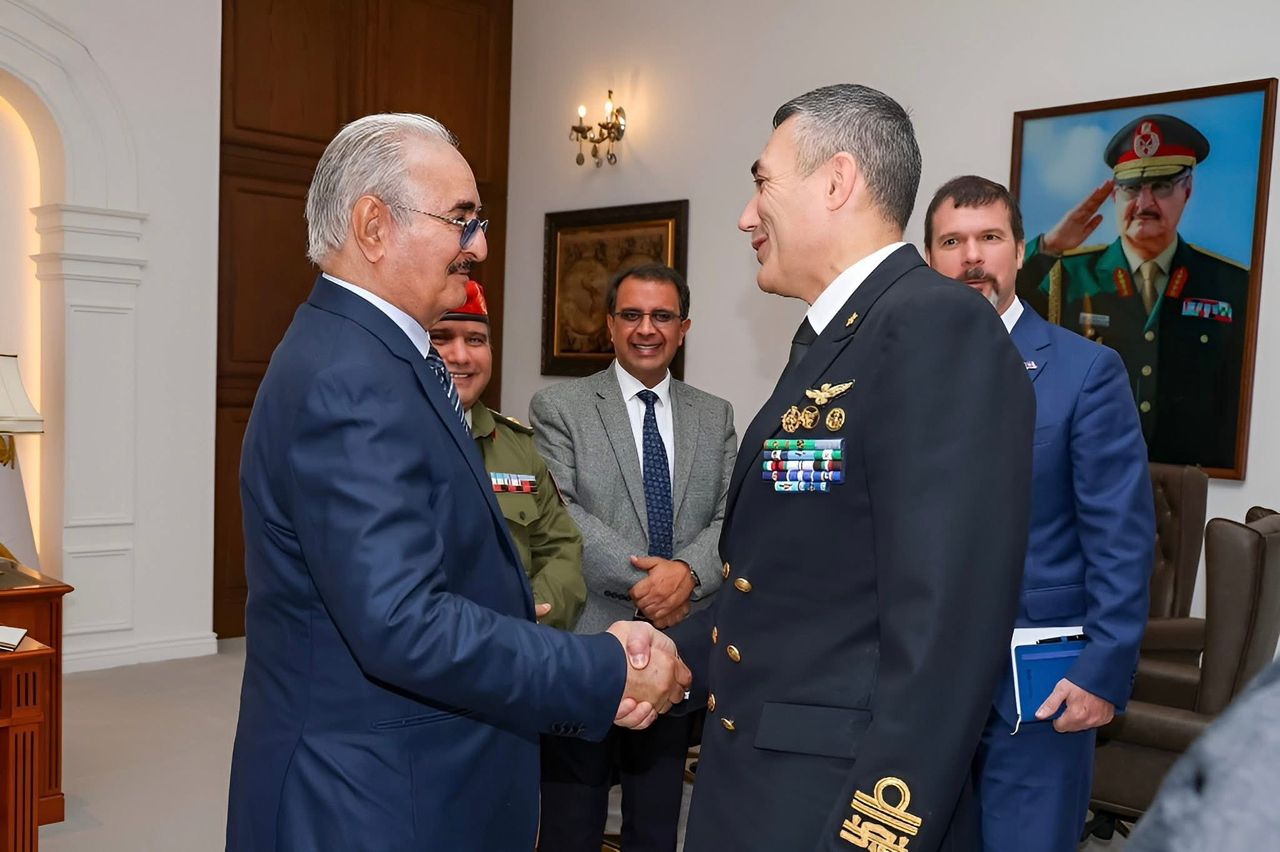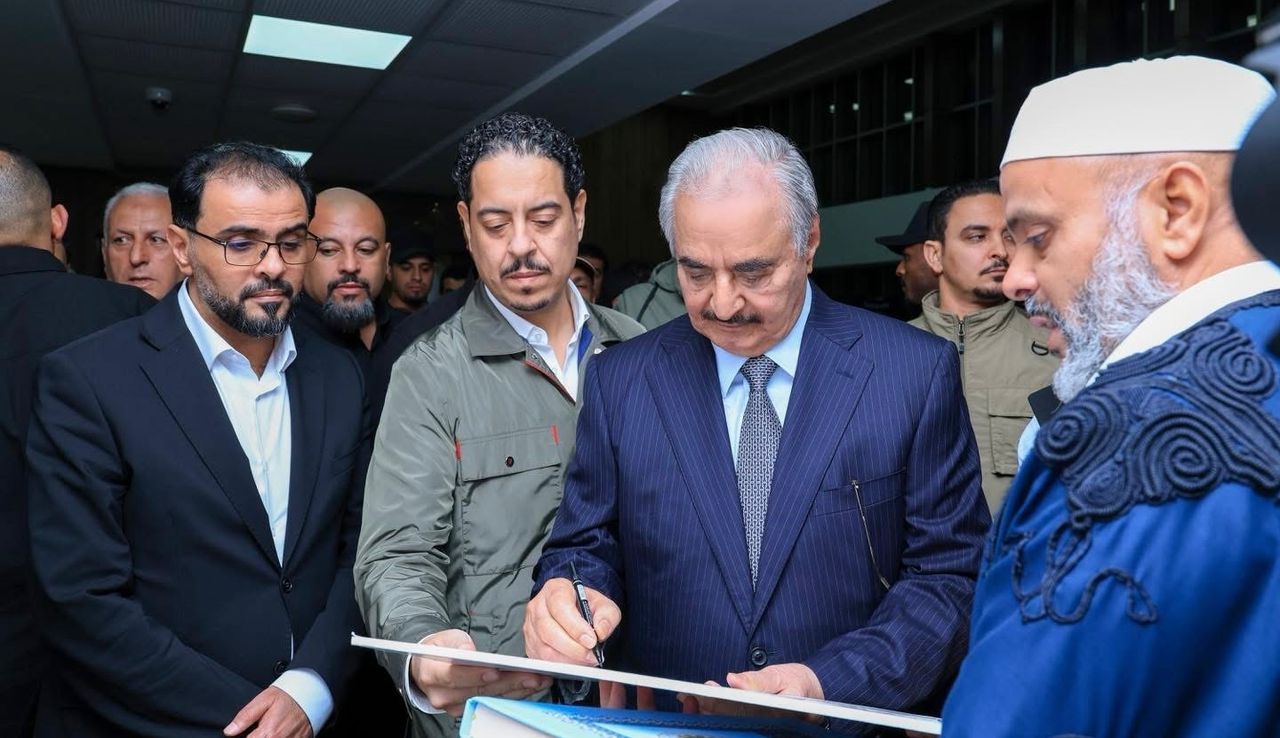


There is a significant and growing movement in Libya urging Field Marshal Khalifa Haftar, the Commander-in-Chief of the Libyan National Army, to take charge and lead the country into its next phase. This popular trend, supported by numerous tribal and social leaders from the east, center, south, and several western regions, seeks to break the prolonged political stalemate and end foreign interference. These influential figures have formally called upon Haftar to ensure national sovereignty, unify the state, and oversee major reconstruction and development projects. This marks the second such wave of support, following similar appeals in 2020 which were set aside based on international guarantees for a political solution—a promise that has since failed to materialize. Over the past five years, UN-mediated initiatives have not yielded success, with the process even being marred by acknowledged corruption and vote-trading allegations. Critics argue that persistent efforts to sideline Haftar and disrupt elections are driven by foreign interests and entrenched corrupt networks in Tripoli. Concurrently, the international community has been unable to enforce key terms of the 2020 ceasefire, including the removal of foreign forces and the disbandment of militias. Against this backdrop of failure, Haftar has recently unveiled his “Vision 2030,” outlining a political path forward. Analysts interpret his latest statements as a clear indication that he is prepared to accept a popular mandate to govern, potentially as the head of the executive authority in the liberated eastern, central, and southern regions, while extending an invitation for western Libya to join a national partnership.